
Behind the Bar: What It Really Takes to Build a Successful Hospitality Business
What does it really take to build a successful hospitality business?
That was the question at the heart of Stories from Hospitality: Behind the Bar, presented by Bar Madrid and MILCO Media as part of the Department of State Development Small Business Week.
Bringing together hospitality, business, government and industry leaders, the conversation explored the realities behind running a venue - from profitability and customer loyalty to staffing, regulation and the future of South Australia’s hospitality industry.
Here are some of the key takeaways.
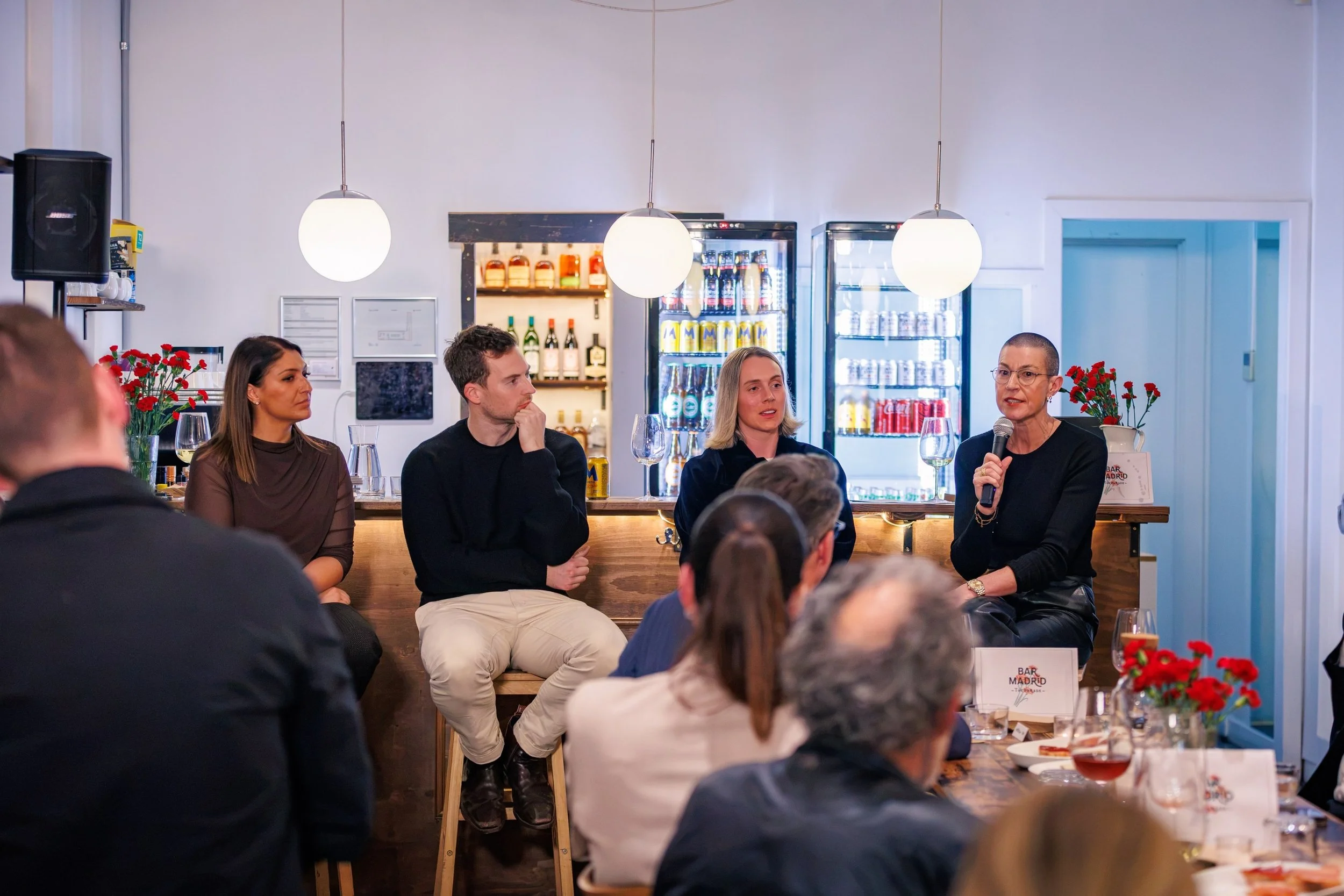
The panel at Stories from Hospitality: Behind the Bar at Bar Madrid. From left: Shantal Hart, Oliver Brown, Chloe Matthews and Anna Moeller.
1. Being busy doesn't always mean being profitable
A packed venue can look successful from the outside, but strong sales don't necessarily translate into a healthy business.
One of the biggest lessons from the discussion was the importance of looking beyond revenue and understanding what is actually happening underneath the business. Costs, margins, customer acquisition and repeat business all play a role in determining whether a venue is genuinely profitable.
Oliver Brown - Managing Director, Big Easy Group, highlighted the importance of understanding customer lifetime value, rather than looking at each transaction in isolation. Bringing a customer through the door is only the beginning. The real value comes when that customer enjoys the experience, returns again and again, and eventually becomes someone who recommends the venue to others.
This changes the way hospitality businesses can think about marketing and growth. Instead of simply asking, "How do we get more people through the door?", a better question might be:
"How do we get the right people to come back more often?"
For hospitality businesses, sustainable growth isn't necessarily about being busier every night. It's about making sure the business behind the busy venue is strong enough to support that growth.
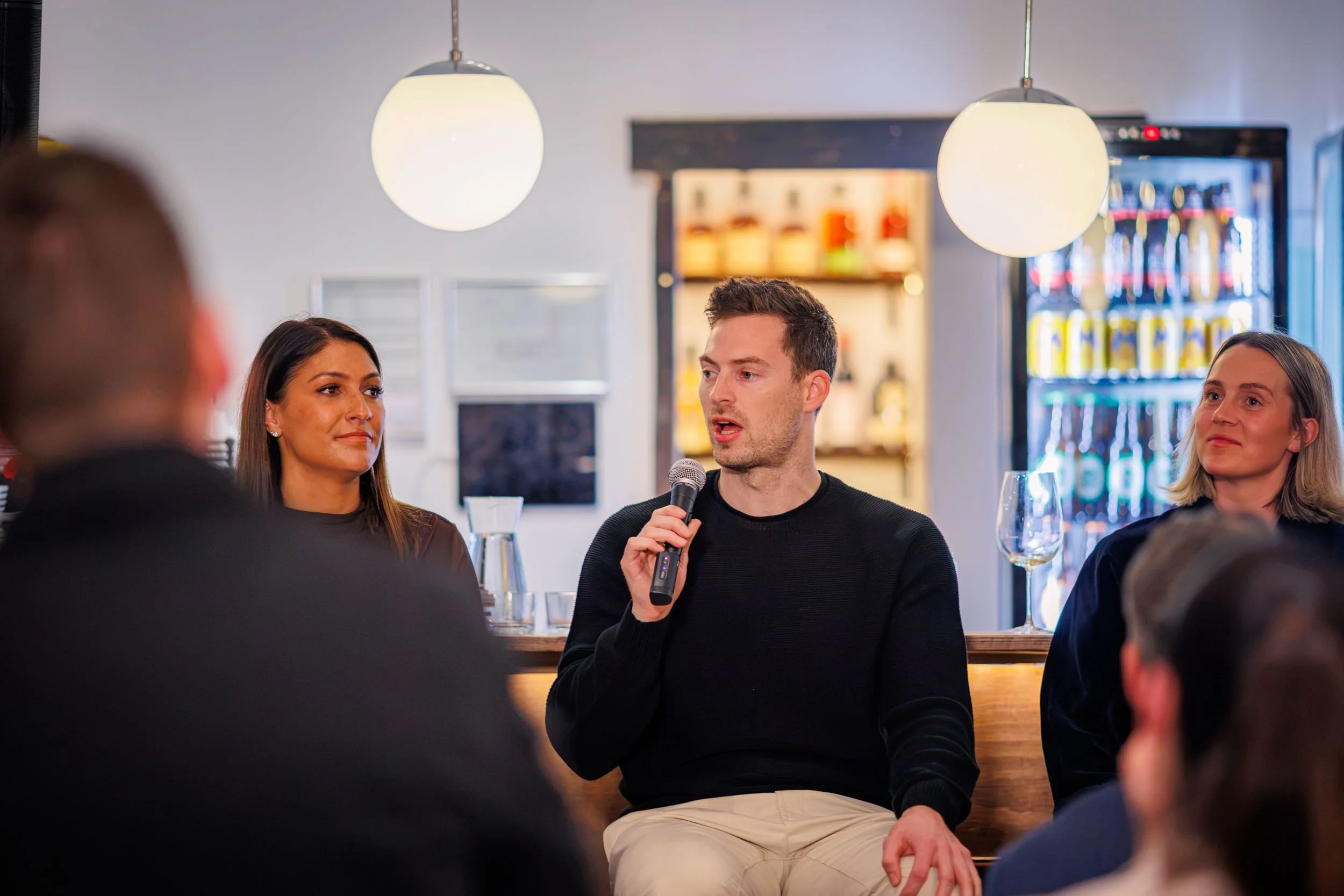
Oliver Brown - Managing Director, Big Easy Group
2. Customer loyalty is built through experience
Loyalty isn't just about discounts, reward points or having a database of customer names.
Chloe Matthews, Marketing Director at Piermount, spoke about the importance of understanding customers and creating experiences that give them a reason to return.
For larger hospitality groups, customer data and loyalty programs can provide valuable tools for understanding customer behaviour and encouraging repeat visits. Knowing when someone last visited, what they ordered or whether they were celebrating a special occasion can help businesses create more personalised experiences.
But smaller venues have a different advantage: personal connection.
Remembering a customer's name, knowing their usual order, recognising a returning face or simply making someone feel welcome can be just as powerful as a formal loyalty program.
The conversation highlighted that customers increasingly have plenty of choice. Creating a reason for someone to choose your venue again therefore goes beyond simply offering a good product.
It is about the whole experience - the food and drinks, the atmosphere, the service, the people and the feeling customers take away with them.
When customers feel genuinely valued, loyalty becomes much more than a transaction. It becomes a relationship.
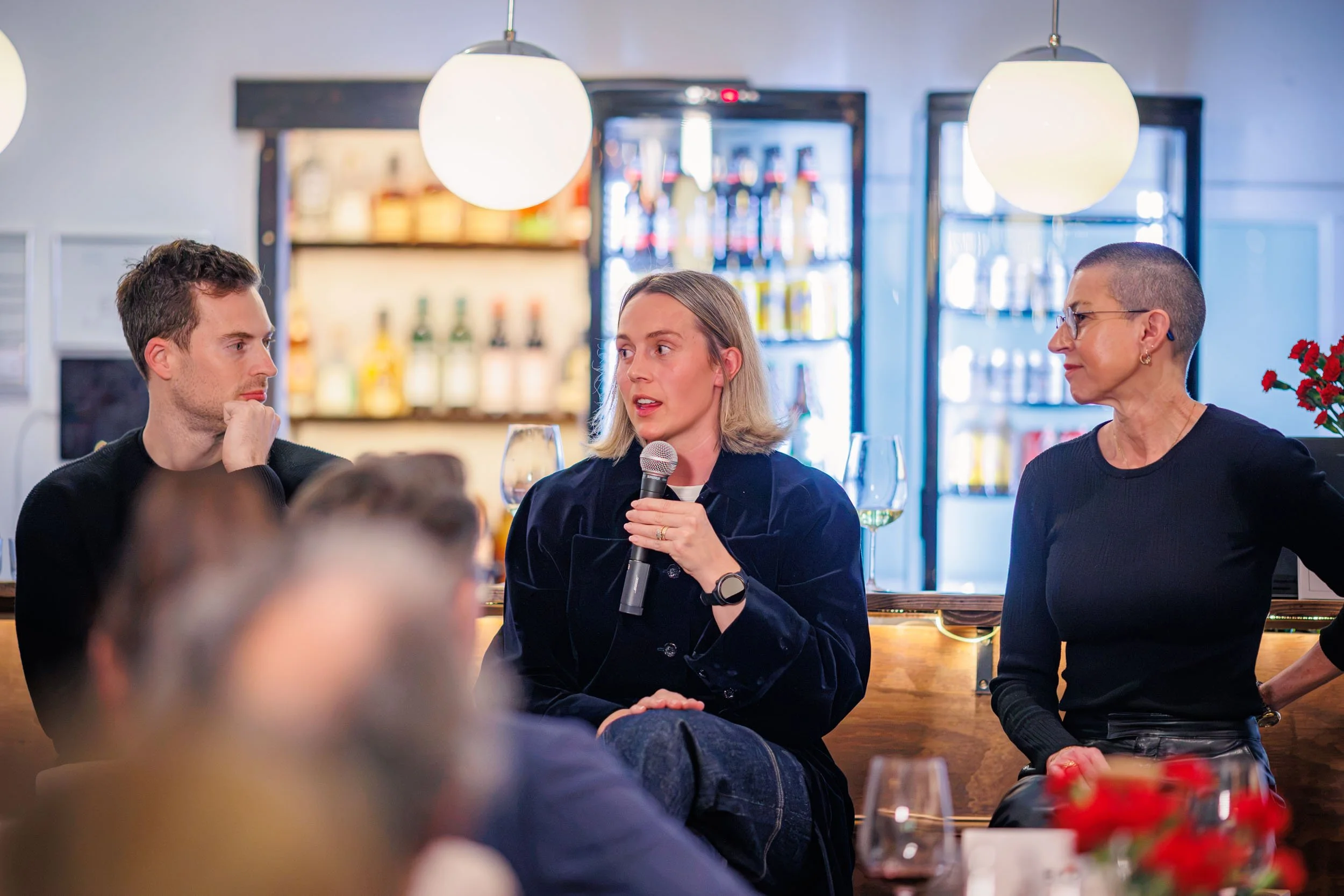
Chloe Matthews, Marketing Director at Piermount
3. Marketing goes beyond social media
Social media has become an essential part of hospitality marketing, but it isn't the only way people discover where to eat, drink and spend their time.
Shantal Hart - Director & Editor, Adelaide Dining Magazine discussed the continued importance of word of mouth, Google reviews, partnerships, events and other forms of discovery.
For some customers, social media might be the first place they discover a venue. For others, it could be a recommendation from a friend, a Google search, an article, an event or simply walking past a venue and seeing something that catches their attention.
That means hospitality businesses don't necessarily need to be everywhere. They need to understand where their customers are and how they make decisions.
A strong marketing strategy should connect these different touchpoints rather than relying on one platform or chasing every new trend.
It also comes back to the experience itself. Great marketing might get someone through the door, but the experience is what gives them something to talk about afterwards.
In hospitality, some of the most valuable marketing can happen when a customer tells someone else: "You have to try this place."
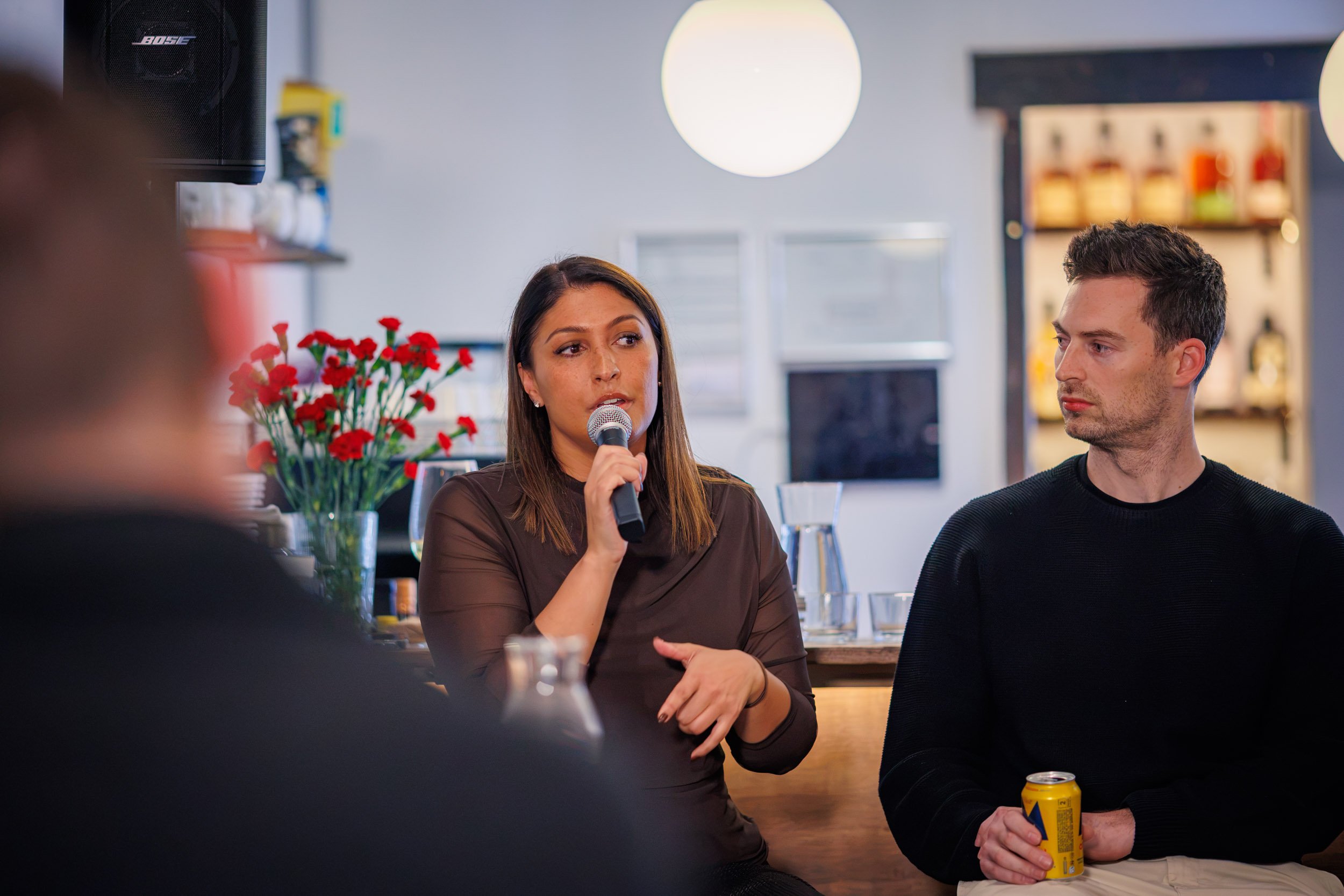
Shantal Hart - Director & Editor, Adelaide Dining Magazine
4. Hospitality needs to become a career
Staffing continues to be one of the industry's biggest challenges, and the conversation went beyond simply finding enough people to fill shifts.
Anna Moeller, Chief Executive Officer of the Australian Hotels Association South Australia, spoke to the broader workforce challenges facing the industry and the importance of creating an environment where people can see hospitality as a genuine career pathway.
A sustainable hospitality industry needs people who see hospitality as more than a temporary job. That means creating clearer pathways for progression, investing in training, recognising experience and helping employees understand where their skills can take them.
Hospitality offers opportunities across service, operations, management, events, marketing and business ownership. But those pathways aren't always visible to people entering the industry.
Creating stronger career development opportunities can also benefit businesses themselves. When people feel that they can grow within an organisation, there is more reason to stay, develop their skills and take on greater responsibility.
The discussion also highlighted the importance of investing in the next generation of hospitality workers through training, mentoring and practical development.
Ultimately, building a stronger hospitality workforce isn't only about recruitment. It's about creating workplaces where people want to build their future
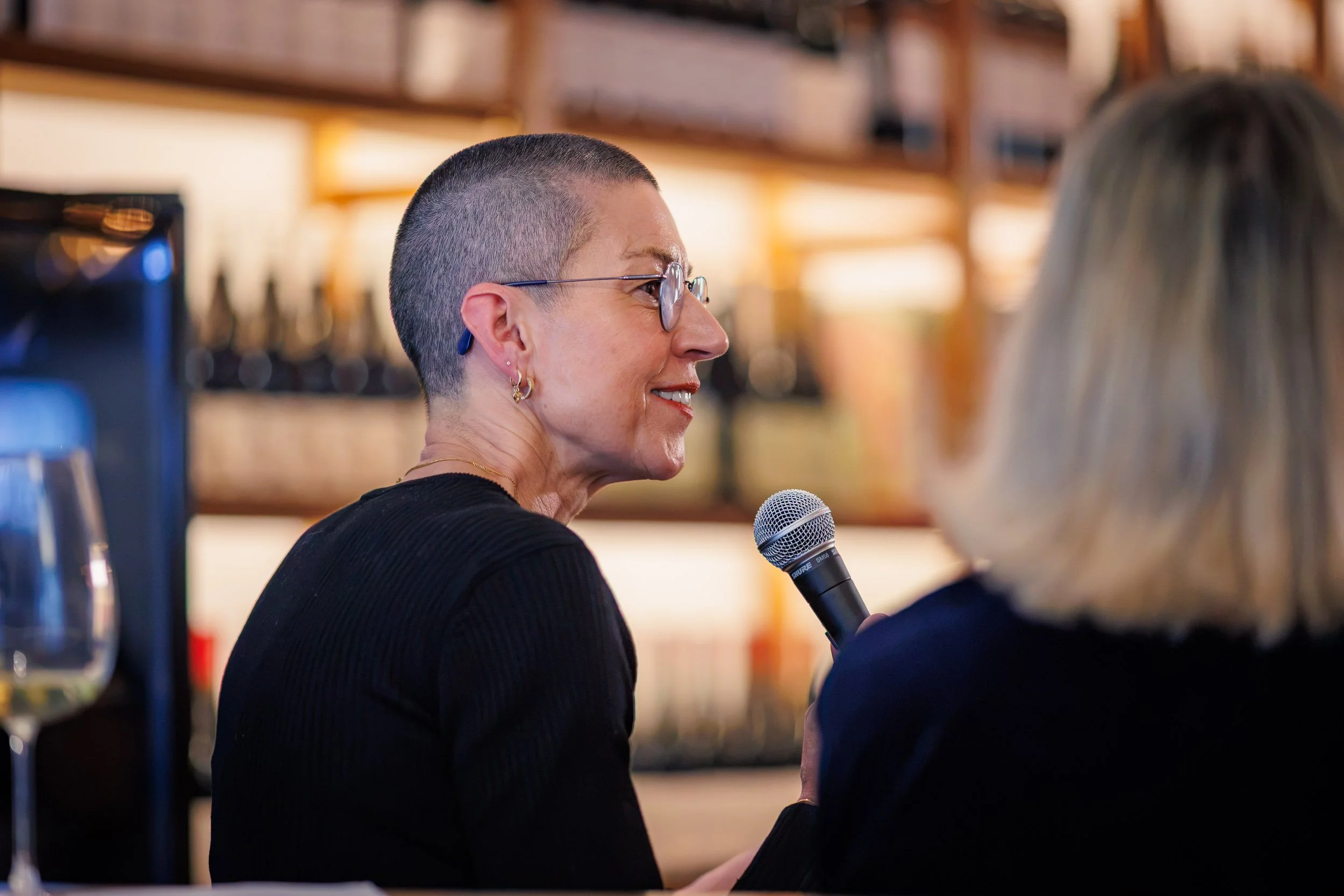
Anna Moeller, Chief Executive Officer of the Australian Hotels Association South Australia
5. Collaboration creates opportunities
One of the most positive themes from the conversation was the potential for collaboration across South Australia's hospitality industry.
From major events and tourism to local partnerships and collaborative activations, working together can create opportunities that individual businesses may not be able to achieve alone.
Collaboration can introduce businesses to new audiences, create reasons for people to visit a precinct and turn an individual offering into a larger experience.
It can also help strengthen South Australia's reputation as a food and hospitality destination.
Rather than always thinking about competing for the same customer, businesses can ask: "What could we create together?"
A restaurant might collaborate with a local producer. A bar might partner with another venue. Hospitality businesses can work with events, tourism organisations and other local brands to create experiences that encourage people to explore more of what South Australia has to offer.
The result isn't simply more attention for one business. Done well, collaboration can create a stronger ecosystem where more people discover, visit and support local hospitality.

From left: the Hon. Nadia Clancy MP, Andrew Kay, Oliver Brown and Anna Moeller.

Watch the full conversation
We’ve captured the full panel conversation so you can hear directly from the people working across hospitality, business and industry.
Need a hand with your hospitality brand?
Your brand is more than a logo - it’s how people experience your business, from the first impression to the moment they walk through the door.
Take a look at what we’ve created for hospitality brands including KNEAD and Picoso.
If you need support with branding, creative or marketing for your hospitality business, reach out to MILCO for a chat.